
Ohio is known for its rich history and vibrant communities, but many homeowners are unaware that the Buckeye State has a significant radon problem. Radon is a naturally occurring radioactive gas that seeps from the soil and can accumulate in homes, posing serious health risks. The good news is that understanding why radon is especially common in Ohio, and knowing what to do about it, can make all the difference for your family’s safety.
Why is Radon So Prevalent in Ohio?
Radon is most likely to enter homes through cracks in foundations and gaps around pipes, especially since it is odorless and invisible. Ohio’s geology greatly contributes to the high potential for radon exposure. The soil and rock formations across the state contain large deposits of uranium, which breaks down to create radon gas. Glacial activity during the Ice Age also mixed layers of soil, distributing radon-producing minerals unevenly throughout the region, affecting both urban and rural communities.
The Environmental Protection Agency (EPA) has classified nearly all of Ohio as Zone 1 or Zone 2 for radon risk, which means many counties, including Stark, Summit, and Portage, are expected to see indoor radon levels above the EPA action level of 4 picocuries per liter (pCi/L). This is not limited to older homes; new construction, renovated homes, and even houses with no visible cracks could test high for radon in this part of Northeast Ohio.
Why Should Every Homeowner Test for Radon?
No matter how old your home is or how recently it has been built, all houses are vulnerable to radon. This risk exists year-round and is not affected by weather or season. Some common misconceptions are that only basements or certain neighborhoods may have radon issues, but testing throughout Ohio has shown this is simply not the case.
Radon is the second leading cause of lung cancer in the United States, causing thousands of deaths each year. Because you cannot see, smell, or taste radon, the only way to know if your home is safe is through professional radon testing. The Ohio Department of Health and the EPA both encourage homeowners to test for radon at least every two years or after significant renovations.
Common Radon Myths in Ohio
Many Ohioans hesitate to test for radon due to lingering myths, such as:
-
Radon is only a problem in certain areas or older homes.
-
If a neighbor’s test result is low, your house is probably safe.
-
New homes with ventilation systems don’t need testing.
These myths can give a false sense of security. Radon can vary dramatically from one house to the next, even if they are side-by-side or built at the same time.
How Genesis Radon Assists Northeast Ohio Homeowners
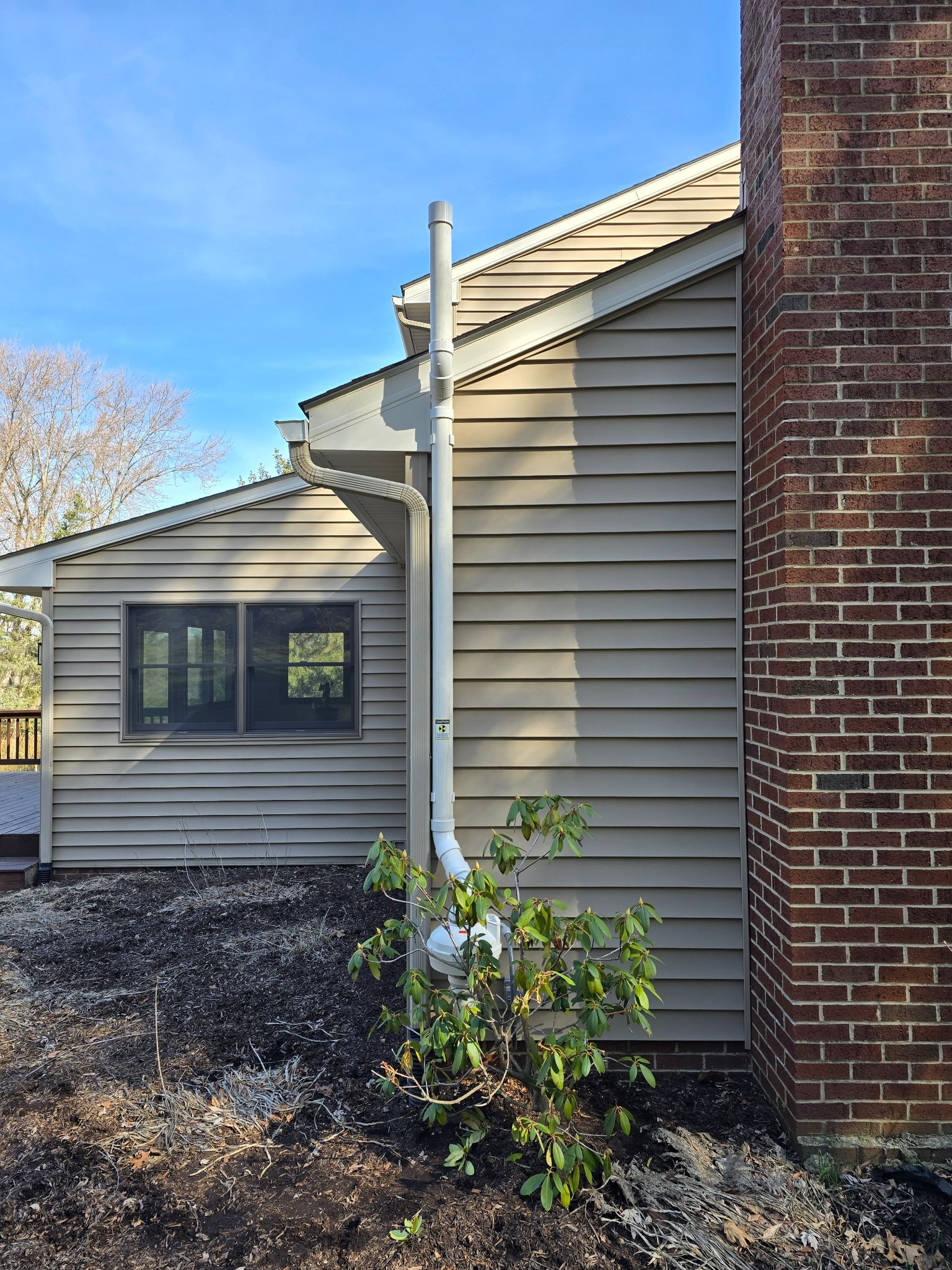
Partnering with a reliable company for radon mitigation systems and radon mitigation services is key to protecting your family’s health. Genesis Radon uses state-of-the-art technology to deliver thorough radon inspections and precise testing in Northeast Ohio homes. After testing, if high radon levels are detected, Genesis Radon provides customized mitigation solutions tailored to your property’s unique structure and your family’s needs, ensuring that radon levels are reduced to well below the EPA guideline.
Protect Your North Canton Home: Schedule a Radon Test Today
Genesis Radon, based in North Canton, Ohio, is committed to keeping local families safe from radon exposure. Whether you’re buying a new home, have lived in your property for years, or just want peace of mind, schedule a test today. Contact Genesis Radon at (330) 819-5816 or fill out our simple online form to request a radon inspection and learn more about customized solutions for your Northeast Ohio home.